





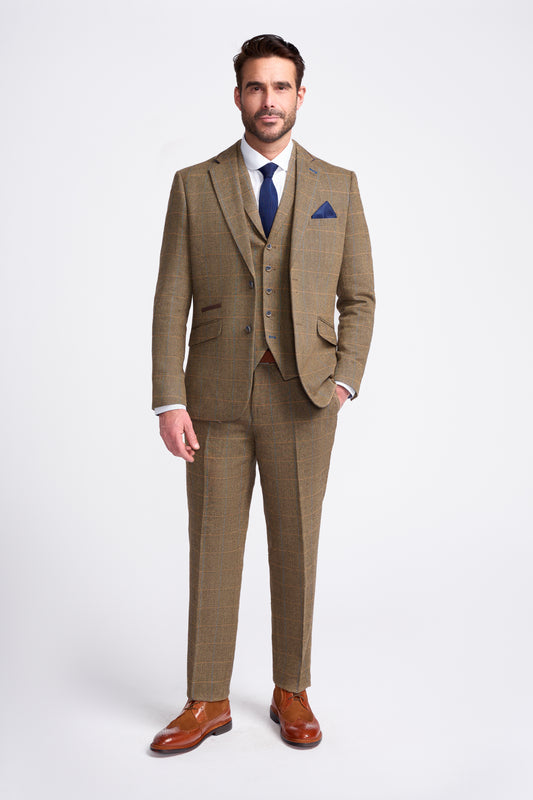


What To Wear To A Black Tie Event If You Don’t Have A Tux

It’s not every day that you get invited to a black tie event. Often reserved for the finer moments, a traditional tuxedo is classed as formal attire that you only bring out on very rare occasions, or if you’re 007 agent James Bond.
The truth is that most men don’t own a tux, even the well-dressed ones. And chances are, you don’t either. Why? Because black tie events generally don’t come around often enough to justify the spend. When you’ve got money set aside for quality suits, shoes or everyday essentials, dropping it on something you might wear once or twice a year just doesn’t make sense.
So, what should you do when the invite says black tie and your wardrobe says otherwise? Rent one? Not necessarily. There are smarter, more stylish ways to pull it off. No tux required.
This black tie dress code guide will show you ways in which you can look smart at a black tie event even when you don’t own a tux.
What Does Black Tie Dress Code Mean?

‘Black tie’ is a term used to describe a formal dress code for evening events such as a gala dinner, charity ball, or an awards ceremony or college prom. A black tie dress code requires men to wear a tuxedo, with bow tie and cufflinks, whilst women enjoy more flexibility wearing floor-length gowns and elegant cocktail dresses.
Black tie is considered ‘next-level formal’. It’s a step above your standard suit and tie, and often code for ‘dust off the tux,’ which, let’s be honest, can feel a bit intimidating.
These days, the rules around black tie dress codes have loosened up. Stick to classic colours, keep things sharp, and you can easily pull off a smart suit at a black tie event. That’s a significant win in many ways. Suits are more comfortable, less stiff and way more versatile than tuxedos.
The catch? With more choice comes more risk. Pick the wrong suit, and you’ll look underdressed. Nail it, though, and you’ll fit right in.
What is the Difference Between a Tuxedo and a Suit?
One of the first things you should know when it comes to black tie event attire is the differences between a tuxedo and a suit. To the untrained eye, a tuxedo and a suit may look similar, but it’s the details that set them apart.
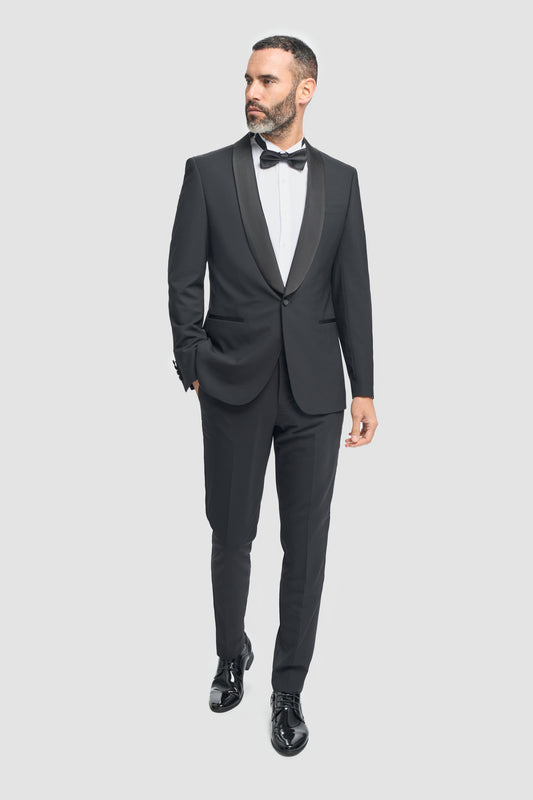
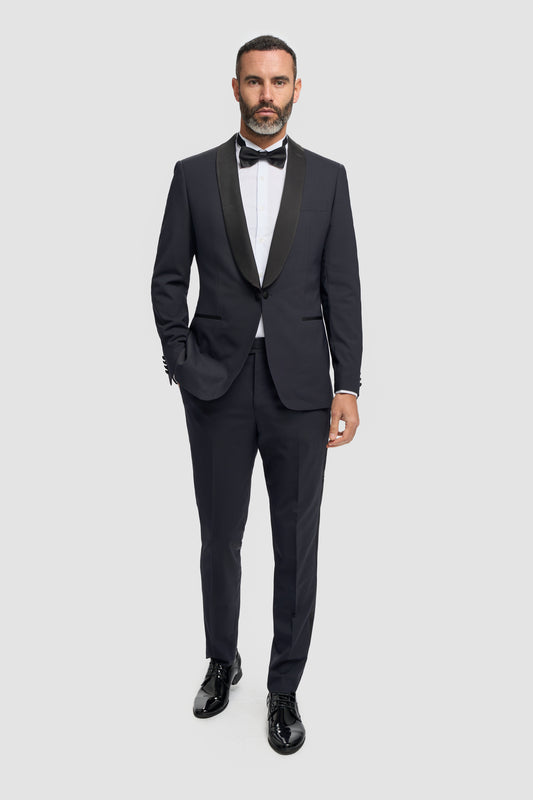
A tux is built for formality. Think satin lapels, silk-covered buttons, a crisp tuxedo shirt and those polished finishing touches that give it that unmistakable black-tie edge.
A suit, on the other hand, is more understated. No satin, simpler fabrics and far more flexibility in how it’s styled, which is perfect for business, weddings and everything in between, but not automatically black-tie ready.
That’s where the balancing act comes in. A tuxedo is designed to meet the dress code straight out of the box, while a suit needs a little help. The right shirt, sharp tailoring, elevated shoes and carefully chosen accessories can push a suit into black-tie territory. But get it wrong, and it slips straight back into standard formal. It’s less about what you wear, and more about how you finish it.
Tuxedo
The key features of a traditional tuxedo include:
- Satin facing the lapels, pocket trims, buttons and a satin stripe down the side of the leg of the trousers.
- Accessories such as a bow tie, cufflinks, cummerbunds and waistcoat.
- Buttons are satin.
Suit
Here’s a brief definition of standard men’s suits:
- Suits don’t usually incorporate any satin.
- Accessories include a tie, cufflinks, pocket square and waistcoat.
- Buttons: plastic buttons or buttons made with the same fabric as the suit.
Black Tie Attire: Understanding Suit Terminology
The suit world can be confusing and if you have ever set foot in a tailoring shop, you wouldn’t be judged for thinking that they were speaking another language. Understanding the components and terminology can be difficult. This is why we have created a list of commonly used phrases or words within the suit and tux world.

Bib: Not to be confused with the velcro type often adorned with cute drawings for toddlers, a bib in the tailoring world is very different. A bib is known as a panel that sits up the front of a dress shirt and ensures that the appearance stays bright white and doesn’t look transparent.
Butterfly Bow Tie: This one isn’t too confusing. A butterfly bow tie is a classic staple of tux attire. A butterfly bow tie is the official name for the standard bow tie and comes from the shape of the tie when it isn’t being worn.
Double Breasted Suit: The term double-breasted suit will always be in conjunction with a jacket and is two parallel columns of buttons and overlapping flaps that cross over one another for a rigid and broad look.
Oxford: Used for men’s shoes, the term Oxford describes shoes that have a low heel, closed laces and an exposed ankle.
Stud: Known as a decorative fastener, a stud fits into the buttonholes on formal shirts and can help you to deliver a refined look that impresses.
Wing collar: As you probably guessed, a wing collar is a starched collar with tips that stand up; they are also horizontal like wings.
Understanding the Invite to a Black Tie Event
When you get your invite to your formal event, there may be a sentence or two that explains the dress code. So, how do you decode the invite so that you know exactly what to wear? The last thing you want is to turn up in the wrong attire. Here’s everything you need to know:
- If your invite says ‘Black Tie’, you should follow the rules and wear the full ensemble. This includes a dinner jacket, matching trousers, pleated white shirt, bow tie and formal black shoes. A waistcoat or cummerbund is optional.
- If your invite says ‘Black Tie preferred or requested’ it is encouraged that you wear a black tie if you can, but if you don’t wear one, you won’t be turned away. The organisers of the event want to create a formal atmosphere for the event, but don’t want to refuse anyone entry.
- If your invite says ‘black tie is optional’, you can expect the rules to be more relaxed when it comes to the dress code. With a more relaxed dress code, you can expect fewer people to be wearing tuxedos at the event. A top tip that you should follow here is to opt for a darker suit to ensure that you don’t get mistaken for a waiter.
If your invite says ‘creative black tie’, the choice about what you wear is up to you.

Outfit Ideas for Black Tie Events if you Don’t Own a Tux
There are a range of alternative outfits to choose from when attending a black-tie event as a non-tux owner.
The Ultimate Black Suit
Even if you’re stepping away from the traditional tux, a sharp black suit can still do a convincing job. Paired with a crisp white dress shirt, it gives off that tuxedo-at-first-glance effect, only revealing the difference when you take a closer look.
To elevate it further, lean into the details. A bow tie is a great move if you know how to tie one properly, instantly pushing the look closer to classic black-tie territory. Add in black patent shoes and coordinated accessories like a pocket square, and you’re really starting to echo that tuxedo finish without actually wearing one.
But here’s the non-negotiable: fit is everything. A perfectly tailored suit looks intentional and refined, while anything loose or poorly fitted instantly undermines the whole outfit. At a black-tie event, that’s the line you don’t want to cross.
Opt for a Dark Suit
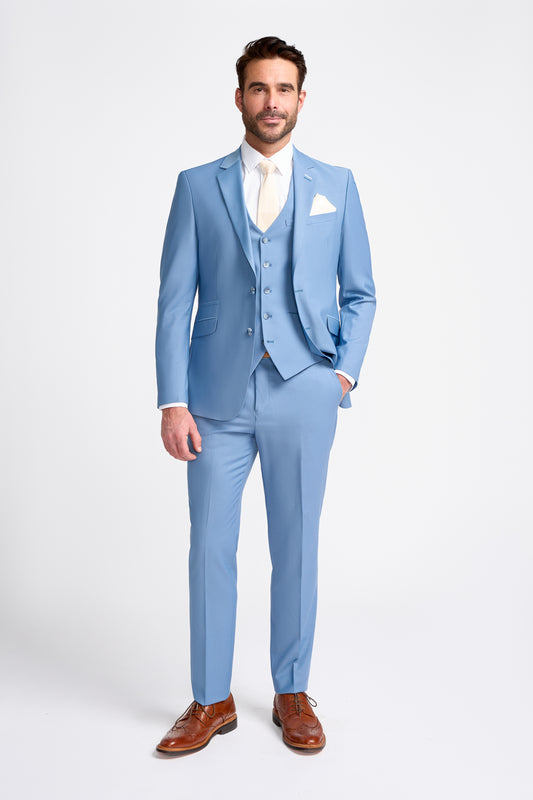
Wearing a dark suit is the best option if you don’t own a tux. If you don’t own a tux, the chances are that you probably already own a classic navy suit or a smart blue suit. To ensure that you are somewhat following the dress code, try and make sure that the hue of your suit is a very dark blue or navy. Adding a dark navy suit to your wardrobe is an important addition that every modern gent should have on hand for the finer moments in life.
A Timeless Grey Suit
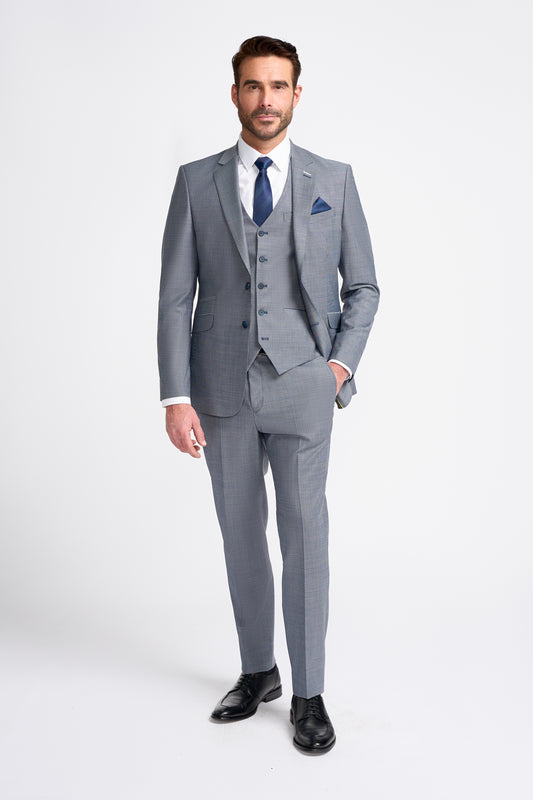
If you don’t have a navy suit, chances are you’ve got a grey one. If not, it might be time to sort that out. In a double-breasted cut, a dark grey suit can deliver just as much polish and presence as a traditional tuxedo. Swap the shirt and tie for a turtleneck, and you instantly add a modern edge of understated sophistication.
A Standout Dinner Jacket
If you want to stand out from the crowd, then you could always wear a classic dinner jacket that has a pop of colour. You don’t have to wear the jacket with just a white shirt and tie; another chic option is to pair a statement jacket with a roll neck jumper. This attire is great for events that suggest ‘black tie is optional’ as you will find ways to repurpose the outfit afterwards but still bring an air of class to the table.
A Quality Three-Piece Suit
A three-piece suit is one of the strongest alternatives to a tuxedo because it brings structure, depth and instant formality without relying on satin trims or traditional black-tie detailing. The addition of a waistcoat elevates the silhouette, creating a more refined, put-together look that feels closer to evening wear than standard suiting. It also helps maintain sharpness throughout the night, so even if the jacket comes off, the outfit still looks intentional. Choose a well-tailored fit in a dark tone like navy or charcoal, and a crisp shirt with polished shoes, and you’ve got a look that delivers real black-tie energy without needing a tux.
What Not to Wear to a Black Tie Event
So, you’ve got a rough idea of what to wear instead of a tux. Now let’s talk about what not to wear, because this is where people get it wrong:
- Lounge suits: This is your everyday office suit. Fine for meetings, not fine for black tie. It just doesn’t have the polish or presence needed.
-
Anything casual: If you’re unsure, always dress up, not down. T-shirts and jeans are obvious no-go’s, but even things like loafers can feel too relaxed here.
- Anything revealing: Less of a minefield for men, but still worth noting. Open shoes or anything that shows too much skin instantly breaks the look.
Ultimately, if you’re skipping the tux, you’re already bending the rules. That means everything else from your shoes and shirt to your accessories, needs to work harder to keep things sharp. Get it wrong, and you tip the whole outfit into semi-formal territory.

Black Tie Dress Code FAQs
Here are some common questions around black tie dress code alternatives.
Can I wear a charcoal suit to a black-tie event?
A charcoal suit sits right on the edge. It’s a little too light, but you can make it work. The trick is in the details. Elevate it with the right accessories like silk finishes and subtle sheen to bring it closer to that polished, tuxedo feel.
Is a white tuxedo shirt acceptable with a black suit?
Technically, yes, but it doesn’t quite land. The mismatch is noticeable and can come across a bit untidy. You’re far better off sticking with a crisp white dress shirt for a cleaner and more cohesive look.
Check Out our Full Range of Suits and Accessories
Perfecting the black tie dress code without a tux comes down to smart styling and the right finishing touches. If you’re unsure how to get it right, book an appointment with our personal stylists to help you build a sharp, confident look that works for all formal occasions. Make sure that you check out the full range of suits available at Cavani, and get ready for that black tie event!